
 0
0



Sep
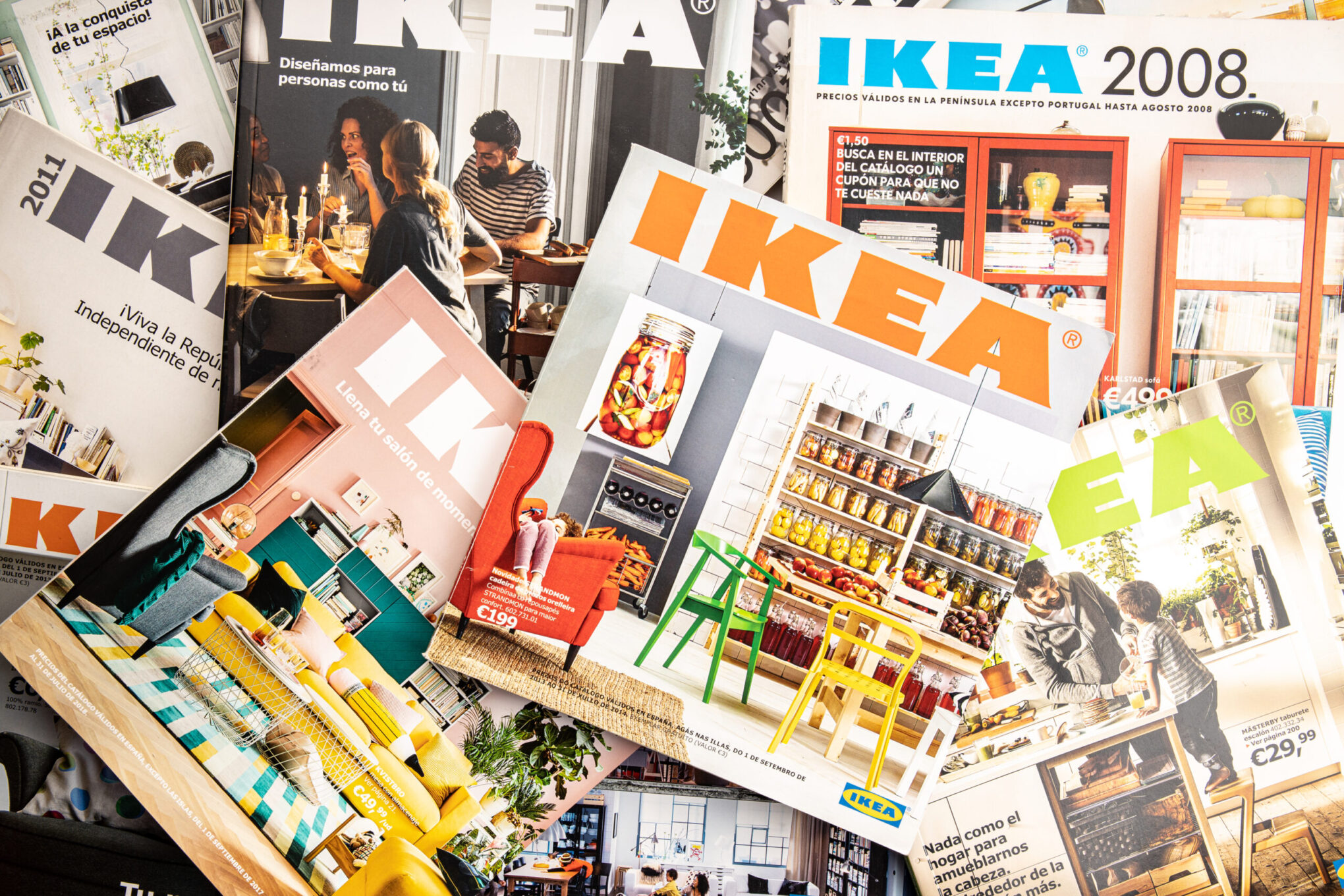
Choosing the right printing company in Singapore is crucial when planning a magazine or catalogue project. The quality of your publication can significantly impact your brand’s image, and the right print services can help bring your vision to life. However, many businesses make common mistakes that can lead to costly errors, delays, and unsatisfactory results.
In this guide, we’ll explore the most frequent mistakes companies make when engaging print services in Singapore and how to avoid them. We’ll also highlight key considerations for magazine and catalogue printing to ensure a smooth and successful project, from paper selection to design, binding, and finishes.
One of the most common mistakes when preparing for a printing project is failing to properly prepare your files. Issues such as low-resolution images, incorrect colour modes (such as using RGB instead of CMYK), and missing bleed areas can ruin the final product. These errors may not be evident on your screen but can lead to pixelation, colour mismatches, and poorly cut edges when printed.
To avoid these issues, always ensure your files are set up correctly before sending them to print. Make use of preflighting tools that allow you to check for errors in your files, such as Adobe’s preflight feature. Ensuring that your images are high-resolution (at least 300dpi) and that all fonts are embedded in the file will help prevent issues during the printing process. Oxford Graphic’s New Screen Dot Technology works seamlessly with standard file formats, so there’s no need to adjust your workflow—yet the results are dramatically sharper, with improved clarity and finer image details.
Selecting the right materials for your magazine or catalogue is vital. The paper you choose affects the texture, feel, and durability of your publication, as well as the vibrancy of the printed colours. Using a cheap or unsuitable paper stock can make even the most beautiful designs appear dull and unprofessional.
It’s essential to choose paper that not only suits your budget but also complements your design and branding. For example, gloss or satin finishes can make images pop, while matte finishes provide a more elegant, understated look. Consult with your printer to select the ideal paper weight and finish based on your publication’s purpose and desired aesthetic.
The binding method you choose for your publication will affect its appearance and usability. Whether it’s saddle stitching (stapling), perfect binding (glued spine), or wire-o binding, each method offers different benefits.
A common mistake is overlooking binding options or choosing one without considering the number of pages or how the publication will be used. For instance, saddle stitching is ideal for magazines with fewer pages, while perfect binding is a better choice for thicker books or catalogues. Always discuss your binding options with your printer and ensure you select the one that best suits your project.
Print finishes like lamination, embossing, or UV coating are not just optional extras; they can significantly enhance the overall quality of your publication. Finishes can add texture, improve durability, and make your magazine or catalogue stand out.
For example, spot UV coating on a catalogue cover can highlight key elements of the design, while embossing creates a tactile experience that draws attention. However, it’s important not to overdo it. A professional printer can guide you in selecting the right finishes to ensure that they enhance, rather than overwhelm, your publication.
Finally, rushing through the timeline and skipping proofing stages can lead to costly mistakes. Always allow sufficient time for proofing and revisions. A last-minute rush can result in overlooked errors, such as spelling mistakes or colour discrepancies, that only become evident once the print job is complete.
It’s important to ask for proofs before printing the final run. This allows you to make any last-minute adjustments and ensure that your design looks exactly as intended. Factor in ample time for these revisions when planning your project timeline. With Oxford Graphic’s advanced simulation systems, proofs now offer a more accurate preview of the final result—thanks to our ability to closely replicate the subtle tonal transitions, skin tones, and gradients that make high-end print work truly stand out.
Before diving into the design and production of your magazine or catalogue, it’s crucial to understand your audience. What kind of paper texture and finishes will resonate with them? Will they appreciate a glossy, high-end magazine, or is a more utilitarian, cost-effective option more suitable?
Knowing your audience helps guide decisions related to design, paper stock, and even the binding method. A clear understanding of who will be reading your publication ensures that the final product is appealing and effective. New Dot Technology’s screen innovation supports this by delivering visually engaging results across a variety of applications—from fashion lookbooks to corporate catalogues—ensuring your audience receives a product that reflects your brand quality.
Good design and layout are fundamental to a successful magazine or catalogue. Consistency in fonts, colours, and imagery is key to making your publication look polished and professional. Keep in mind that your layout should be visually appealing while also easy to read and navigate.
Maintain a clear hierarchy, with headings, subheadings, and body text that guide the reader through the content. Avoid overcrowding pages with too much text or too many images. A clean, organised layout will engage your readers and help convey your message more effectively.
The paper and finishes you select for your magazine or catalogue should complement the design and overall feel you wish to create. If you want a luxurious look, opt for heavier, textured paper with a satin or glossy finish. If you’re aiming for something more affordable but still attractive, a standard matte finish might be ideal.
Additionally, print finishes like embossing, foil stamping, and spot UV coating can add a professional touch that enhances your publication’s appeal. These finishes can be particularly impactful on covers or high-profile pages.
As mentioned earlier, binding is a crucial element in the printing process. Your choice of binding will impact not only the look but also the durability and usability of the publication. For instance, saddle stitching is ideal for booklets or smaller magazines with fewer pages, while perfect binding is better suited for thicker catalogues or books.
If your publication is intended for frequent use, such as a product catalogue, consider selecting a binding method that ensures longevity. Spiral binding, for example, allows the catalogue to lay flat, making it easier for readers to flip through.
Planning your print quantity and budget ahead of time is essential for ensuring that your printing project remains cost-effective. Printing too many copies of a magazine or catalogue can lead to excess inventory, while printing too few can result in stockouts and missed sales opportunities.
Work with your printer to determine the optimal print run based on your budget and expected distribution needs. Most printers offer discounts for larger print runs, so it’s worth considering how many copies you truly need.
At Oxford Graphic, we understand the complexities involved in magazine and catalogue printing. As a trusted printing company in Singapore, we provide expert print services designed to meet your exact specifications. Our team works closely with you through every step of the process, ensuring your project runs smoothly and the final product exceeds your expectations.
Our new Screen Dot Technology represents a major step forward in print reproduction. It eliminates visible rosette patterns and moiré, renders exceptionally smooth gradients, and brings out truer, more vibrant colours in your images. Whether you’re printing detailed product catalogues, coffee table books, or fashion publications, the difference is immediately visible—and unforgettable.
From file preparation to material selection, binding methods, and finishing touches, we help you avoid the common pitfalls that can derail your printing project. Our commitment to quality and attention to detail makes us the go-to printing company for businesses in Singapore looking for professional, reliable, and cost-effective print services.
With greater stability and consistency across each print run, you can trust that every copy will reflect the same high standard from start to finish. Trust Oxford Graphic to be your partner in bringing your printing project to life. We deliver high-quality, exceptional results that leave a lasting impression.
